Close
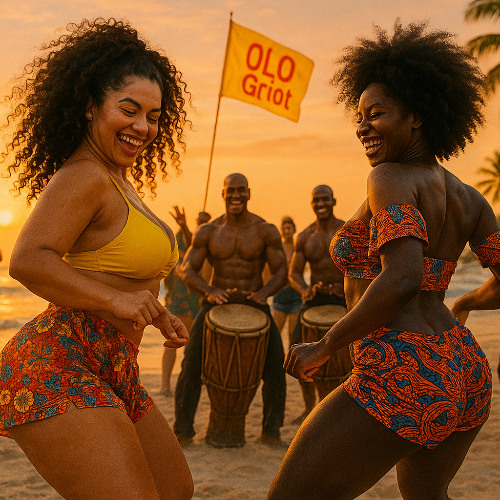
There’s a moment that happens in studios, workshops, and dance spaces around the world—a moment when someone hits play on a track from a culture they’ve never encountered, in a language they don’t understand, with rhythms their formal training never taught them. And suddenly, their body knows exactly what to do. Their hips remember ancient movements. Their shoulders find polyrhythms they’ve never practiced. Their feet discover steps that seem to emerge from cellular memory.
This is the magic of world music for dance improvisation. It bypasses the analytical mind, transcends cultural boundaries, and speaks directly to the movement intelligence that lives in every human body. When the right world music track fills a space, it doesn’t matter if you’re trained in ballet or hip-hop, salsa or contemporary—your body becomes a translator, finding its own authentic response to rhythmic information that carries the wisdom of centuries.
As someone working with Afro-Latin beats, you understand this power intimately. You’ve seen how a traditional rumba can unlock movements in dancers who’ve never been to Cuba, how a West African polyrhythm can inspire improvisation that feels both completely new and mysteriously familiar. You know that the best world music for dance improvisation doesn’t just provide rhythmic accompaniment—it becomes a teacher, a guide, a catalyst for movements that dancers didn’t know they carried inside them.
Every human body carries what researchers call « rhythmic memory »—cellular patterns established through millions of years of evolution and thousands of generations of cultural movement. When we hear certain rhythmic patterns, especially those rooted in ancient traditions, our bodies recognize them at levels deeper than conscious awareness.
World music for dance improvisation works because it accesses these deep rhythmic memories. A traditional djembe pattern from West Africa might activate movement responses that originated when our ancestors first learned to move together in community. A flamenco rhythm could unlock the fierce, grounded energy that helped humans survive and thrive in harsh environments. A Brazilian samba beat might awaken the celebratory movements that marked survival of another season, another harvest, another year of life.
This isn’t mystical thinking—it’s biological reality. Mirror neurons in our brains fire when we hear music that carries the rhythmic DNA of human movement. Our motor cortex activates patterns associated with walking, dancing, celebrating, mourning, working, playing. World music often preserves these fundamental movement patterns more completely than contemporary commercial music, making it incredibly powerful for accessing authentic improvisation.
One of the most powerful aspects of using world music for dance improvisation is how unfamiliarity becomes freedom. When dancers hear music from cultures they don’t know, they can’t fall back on learned steps or predetermined movements. They have to listen with their bodies, respond with their instincts, discover movements that emerge from genuine dialogue between their personal movement vocabulary and the musical information they’re receiving.
This liberation from familiar patterns often produces the most authentic and innovative improvisation. Without the safety net of known choreography, dancers must trust their bodies’ inherent wisdom. They must become vulnerable, present, responsive—qualities that transform improvisation from performed movement into genuine expression.
The best world music tracks for improvisation create this perfect balance: familiar enough that bodies can find entry points, strange enough that minds can’t control the response. They offer rhythmic information that feels both ancient and fresh, both accessible and mysterious.
Most world music traditions, especially those from Africa, Latin America, and the Caribbean, are built on polyrhythmic foundations—multiple rhythm patterns layering together to create complex musical conversations. This polyrhythmic complexity mirrors the way human bodies naturally want to move, with different body parts responding to different rhythmic elements simultaneously.
When improvisational dancers encounter these polyrhythmic tracks, their bodies often naturally begin to separate the different rhythmic layers, allowing hips to follow one pattern while shoulders respond to another, feet to match the bass line while arms interpret percussion flourishes. This polyrhythmic response creates incredibly rich, complex improvisation that feels both structured and free, both precise and spontaneous.
African music provides some of the most powerful tracks for dance improvisation because it preserves the rhythmic foundations from which most other world music traditions emerged. These tracks don’t just accompany movement—they teach it, guide it, inspire it in ways that feel both educational and ecstatic.
West African Traditions: Tracks featuring djembe, talking drum, and balafon create improvisational spaces that feel like conversations with ancestral wisdom. The polyrhythmic complexity invites full-body participation while the call-and-response structures create natural pauses for dancers to breathe, reflect, and discover new movement possibilities. Artists like Mamady Keïta, Famoudou Konaté, and contemporary groups like Les Percussions de Guinée offer tracks that make bodies remember movements they never consciously learned.
East African Sounds: Ethiopian jazz fusion, Sudanese rhythms, and Kenyan traditional music provide different entry points into African movement vocabulary. The modal scales and unique rhythmic patterns of artists like Mulatu Astatke or traditional Maasai music create improvisational experiences that feel both grounding and elevating, both earthly and transcendent.
Southern African Grooves: South African music, from traditional Zulu rhythms to contemporary Afro-house, offers incredible range for improvisation. The driving rhythms of artists like Hugh Masekela, the hypnotic patterns of traditional marimba music, and the infectious energy of contemporary producers create tracks that make improvisation feel like celebration, resistance, and spiritual practice all at once.
Latin American music for dance improvisation carries the emotional complexity of cultures forged through colonization, resistance, and cultural fusion. These tracks often contain multiple movement vocabularies within single songs, reflecting the cultural mixing that created these traditions.
Brazilian Rhythms: Beyond the obvious samba tracks, Brazil offers incredible variety for improvisation. Capoeira music teaches bodies about flow, power, and playfulness simultaneously. Forró rhythms unlock hip movements that feel both sensual and grounded. The experimental work of artists like Hermeto Pascoal creates soundscapes where improvisation becomes pure exploration. Traditional recordings from Bahia preserve Afro-Brazilian rhythms that make bodies remember ceremonies their conscious minds have never attended.
Cuban Foundations: Cuban music for improvisation goes far deeper than salsa. Traditional rumba recordings capture the raw, communicative power of Afro-Cuban rhythm. The work of groups like Los Muñequitos de Matanzas or contemporary artists like X Alfonso creates improvisational spaces that feel like entering sacred ritual. These tracks teach bodies about the relationship between rhythm and storytelling, between movement and meaning.
Colombian Diversity: From the coastal cumbia to the Andean bambuco, Colombian music offers extraordinary range for improvisational exploration. The accordion-driven vallenato creates movement that feels both narrative and ecstatic. Pacific coast currulao rhythms unlock movements that feel like conversations with the ocean. Contemporary artists like Bomba Estéreo blend traditional elements with modern production in ways that make improvisation feel both rooted and futuristic.
Argentinian Passion: Beyond tango, Argentina offers folk traditions that create powerful improvisational experiences. Chacarera rhythms teach bodies about the relationship between earthiness and elegance. The work of Mercedes Sosa or contemporary artists like Kevin Johansen creates emotional landscapes where improvisation becomes catharsis, healing, transformation.
Caribbean music for dance improvisation carries the unique energy of island cultures—isolated enough to develop distinct characteristics, connected enough to influence each other and the wider world. These rhythms often feel both intimate and expansive, both local and universal.
Jamaican Roots: Reggae and its predecessors ska and rocksteady provide incredible foundations for improvisation that feels both meditative and rebellious. Bob Marley’s catalog remains powerful, but exploring deeper into artists like Augustus Pablo, King Tubby, or contemporary roots artists like Chronixx creates improvisational spaces that feel like spiritual practice. The emphasis on the offbeat teaches bodies about syncopation, about finding power in the spaces between obvious rhythms.
Trinidad and Steel Pan: The unique sound of steel pan music creates improvisational experiences unlike any other world music tradition. The metallic timbres and complex harmonies of traditional calypso and soca, especially recordings from Panorama competitions, inspire movements that feel both playful and sophisticated, both celebratory and contemplative.
Puerto Rican Power: Bomba and plena recordings preserve Puerto Rican rhythmic traditions that make bodies understand the relationship between resistance and celebration. Contemporary artists like Cultura Profética or classic recordings from groups like Los Pleneros de la 21 create spaces where improvisation feels like cultural affirmation and personal liberation simultaneously.
Asian world music for dance improvisation often creates experiences that feel both meditative and dynamic, both structured and free. These traditions offer different relationships between rhythm and melody, between individual expression and collective harmony.
Indian Classical and Folk: Tabla rhythms, especially extended classical pieces, create hypnotic foundations for improvisation that can last hours. The complex rhythmic cycles (talas) teach bodies about mathematical precision and ecstatic abandon simultaneously. Folk traditions like Bhangra or contemporary fusion artists like Karsh Kale create improvisational spaces that feel both ancient and cutting-edge.
Middle Eastern Traditions: Oud, ney, and frame drum combinations create improvisational experiences that feel both earthly and celestial. Turkish, Persian, and Arab traditional music offers scales and rhythms that unlock movements many Western bodies have never explored. Contemporary artists like Omar Faruk Tekbilek or traditional recordings of whirling dervish music create spaces where improvisation becomes spiritual practice.
Southeast Asian Rhythms: Gamelan orchestras from Indonesia create polyrhythmic experiences that feel like entering alternate musical universes. The metallic timbres and complex interlocking patterns inspire improvisation that feels both precise and flowing, both individual and collective.
The best world music tracks for dance improvisation achieve perfect balance between complexity and accessibility. They offer enough rhythmic information to keep bodies engaged for extended periods without becoming so complex that dancers can’t find entry points. This usually means strong foundational rhythms with layered complexity that reveals itself gradually.
Look for tracks that maintain clear pulse while offering polyrhythmic variations. The foundation gives dancers security to explore while the variations provide ongoing inspiration for movement discovery. Traditional recordings often achieve this balance naturally because they were created for dancing, for community participation, for extended engagement.
Great improvisational tracks create emotional and energetic journeys. They don’t maintain constant intensity but rather build and release tension, create spaces for reflection and explosion, offer moments of intimacy and grandeur. This dynamic architecture guides improvisation without controlling it, providing structure that supports rather than constrains creative movement.
The most powerful tracks often begin with simple elements and gradually add layers, allowing dancers to enter slowly and deepen their engagement as the music develops. They create natural climaxes and resolutions that give improvisation narrative arc without predetermined story.
Authentic traditional recordings often work better for improvisation than contemporary fusion pieces because they preserve the complete cultural context in which the rhythms developed. They carry not just musical information but social, spiritual, and emotional context that bodies can sense and respond to.
This doesn’t mean contemporary fusion can’t work for improvisation, but the most powerful fusion pieces usually maintain deep respect for traditional elements while adding contemporary colors. Artists who understand both traditional context and modern possibilities create music that feels both rooted and innovative.
The best world music for improvisation often features extended lengths and hypnotic repetition. Where commercial music might change every 16 bars to maintain interest, traditional music often develops single rhythmic patterns for much longer periods, allowing dancers to go deeper into the movement conversation rather than constantly adapting to new musical information.
These extended pieces create opportunities for what dancers call « going under »—entering trance-like states where movement becomes completely instinctive, where the boundary between dancer and music dissolves, where improvisation becomes meditation in motion.
The beginning of any improvisational session sets the tone for everything that follows. World music tracks that work well for opening tend to be inviting rather than demanding, accessible rather than challenging, grounding rather than elevating. They help dancers arrive in their bodies, connect with the space, and begin listening with their whole being.
Traditional welcome songs, gentle African percussion pieces, or meditative Indian classical music can create this opening energy. The goal is to help dancers shift from mental analysis to embodied presence, from social performance to authentic expression.
Once dancers are present and connected, the music can begin building energy and complexity. This is where polyrhythmic tracks excel, where Brazilian percussion ensembles shine, where Cuban rumba creates magic. These pieces invite deeper physical commitment while maintaining the accessibility established in the opening phase.
The key is gradual escalation rather than sudden jumps. Each track should offer slightly more complexity, intensity, or challenge while maintaining connection to what came before. This creates a learning curve that supports rather than overwhelms improvisational exploration.
Every good improvisational session needs moments of peak experience—times when the music and movement converge to create transcendent states. These peaks often happen with tracks that combine maximum rhythmic complexity with clear emotional direction. West African ceremonial music, Brazilian carnival recordings, or intense flamenco pieces can create these peak moments.
But peaks must be earned through proper preparation and followed by appropriate integration. They shouldn’t dominate sessions but rather punctuate journeys that include preparation, exploration, climax, and resolution.
The end of improvisational sessions requires music that helps dancers integrate their experiences and transition back to ordinary consciousness. This often means returning to simpler rhythms, slower tempos, more contemplative energies. Traditional closing songs, gentle acoustic pieces, or ambient world music can serve this function.
The closing music should honor what happened during the session while helping dancers carry the experience into their regular lives. It should feel like gratitude rather than ending, like integration rather than conclusion.
For beat makers, studying world music for dance improvisation provides invaluable education in rhythmic sophistication. These traditional recordings demonstrate polyrhythmic relationships, dynamic development, and emotional architecture that can inform contemporary production in profound ways.
Pay attention to how traditional recordings create complexity through layering rather than through constant change. Notice how they use repetition to create hypnotic power rather than boring predictability. Study how they balance familiar elements with surprising variations.
When incorporating world music elements into contemporary production, approach sampling with deep respect for source material. Understand the cultural context, credit original artists, and use traditional elements in ways that honor rather than exploit their power.
The most ethical and artistically successful sampling often involves learning about the traditional context, collaborating with traditional musicians when possible, and using world music elements to enhance rather than dominate contemporary tracks.
World music for dance improvisation demonstrates that groove transcends cultural boundaries. Bodies respond to compelling rhythmic relationships regardless of their cultural training. This suggests that producers who understand these universal rhythmic principles can create beats that speak to diverse audiences while maintaining cultural specificity.
Study how different traditions create groove through different means—African polyrhythm, Latin syncopation, Middle Eastern modal rhythm, Asian cyclical patterns. Each approach offers insights that can enrich contemporary beat making.
Many world music traditions preserve healing practices that used rhythm and movement for community and individual health. When contemporary dancers engage with these traditions through improvisation, they often access healing experiences that modern life rarely provides.
The combination of authentic traditional music and spontaneous movement can release trauma, build confidence, create community connection, and provide spiritual nourishment. Dance improvisation with world music becomes a form of cultural medicine that serves contemporary healing needs.
World music often engages the whole body in ways that contemporary music doesn’t. Traditional polyrhythms activate different muscle groups simultaneously, creating full-body integration that can be profoundly therapeutic. Dancers often report feeling more embodied, more coordinated, more alive after sessions with traditional world music.
This somatic integration happens because world music preserves movement relationships that evolved over centuries of community use. These rhythms taught bodies how to work together, how to celebrate together, how to heal together. They carry embodied wisdom that contemporary bodies can access through improvisational dance.
Different world music traditions excel at evoking specific emotional territories. Flamenco unlocks fierce passion. African rhythms awaken community connection. Indian classical music opens contemplative spaces. Brazilian music celebrates joy and sensuality simultaneously.
Through improvisational dance with diverse world music, people can explore emotional ranges that their regular lives might not accommodate. They can practice being fierce, celebratory, contemplative, sensual in safe, supportive environments. This emotional exploration often translates into greater emotional intelligence and resilience in daily life.
As global communication increases, world music for dance improvisation serves increasingly important functions as cultural bridge-building tool. When people from different backgrounds move together to traditional music, they often discover common ground that transcends cultural differences.
This bridge-building happens because rhythm speaks to universal human experiences—the need for community, celebration, healing, expression. World music preserves these universal experiences in culturally specific forms that can be appreciated across cultural boundaries.
Many traditional movement practices are disappearing as cultures modernize and urbanize. Dance improvisation with authentic world music helps preserve movement wisdom by creating contemporary contexts where traditional rhythmic patterns can continue teaching bodies about their movement potential.
This preservation happens not through museum-like conservation but through living engagement. When contemporary dancers improvise with traditional music, they keep the movement wisdom alive by discovering new expressions of ancient rhythmic principles.
The future of world music for dance improvisation likely involves increasing fusion and evolution. Contemporary artists who deeply understand traditional forms are creating new hybrids that maintain cultural authenticity while speaking to contemporary experiences.
This evolution serves both tradition and innovation when it happens with respect, understanding, and genuine collaboration between traditional and contemporary artists. The result is music that honors the past while serving present needs.
World music for dance improvisation offers something precious in our increasingly fragmented world: the opportunity to remember our common humanity through movement. When bodies respond spontaneously to rhythms from cultures they’ve never encountered, they demonstrate that beneath our surface differences lies shared rhythmic wisdom, shared movement intelligence, shared capacity for joy, expression, and connection.
For dancers, these musical traditions offer endless opportunities for discovery—new movements, new emotions, new ways of inhabiting their bodies. For producers, they provide masterclasses in rhythmic sophistication, emotional architecture, and the creation of music that serves human transformation rather than just entertainment.
The tracks that work best for dance improvisation are those that honor both tradition and innovation, both cultural specificity and universal appeal. They invite bodies into conversation rather than demanding predetermined responses. They create spaces for authentic expression rather than performance of learned patterns.
As we navigate an increasingly globalized world, the ability to find common ground through rhythm becomes more precious and more necessary. World music for dance improvisation demonstrates that this common ground exists, that bodies can communicate across cultural boundaries, that rhythm truly is a universal language that connects us to each other and to our shared human heritage.
The drums continue beating from all corners of the world. The melodies continue weaving stories of love, loss, celebration, and survival from every culture that has ever existed. The rhythms continue calling bodies into movement that feels both completely personal and utterly universal.
In responding to these calls through improvisational dance, we join the eternal human celebration of rhythm, movement, and cultural exchange. We become part of the continuing story of how music breaks down barriers, builds bridges, and reminds us that despite our surface differences, we are all rhythmic beings seeking authentic expression, genuine connection, and the kind of aliveness that can only be found when bodies remember their capacity to dance with the rhythms of the world.